
AI Fluency, Assessments, and Rena
How Rena, AI assistance modes, and evidence-backed review moved assessments closer to measuring judgment instead of banning modern tools.
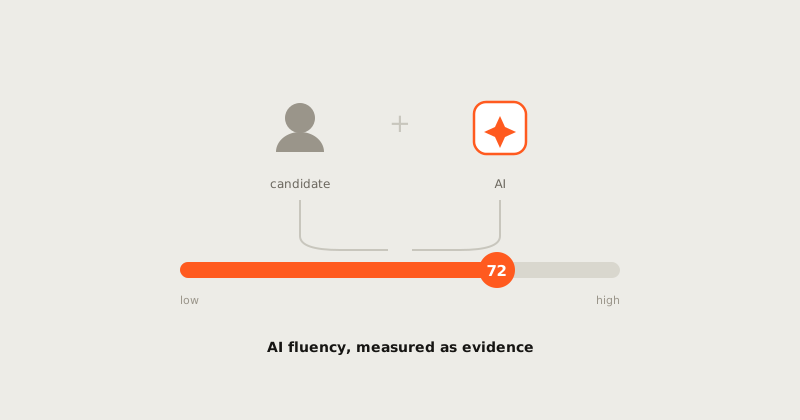
The assessment question for 2026 is no longer "did the candidate use AI?" It is "did they use AI well?" This product cycle moved AlgoArena closer to answering that question directly.
What changed
We shaped the assessment workflow around explicit AI assistance modes. A candidate can work without assistance, use guided help from Rena, or work in a more agentic mode where the product captures more of the conversation around planning, editing, and verification.
Rena also became a clearer product character: not a generic chatbot, but a coach and reviewer that can help expose how someone thinks. The important part is not that Rena gives an answer. It is that the candidate's choices around asking, accepting, revising, and validating become part of the evidence.
Why it matters
Blanket AI bans create a strange kind of theater. They make assessments look controlled while hiding the actual skill modern teams need: judgment with powerful tools in the loop.
The better path is to measure the interaction. Did the candidate ask precise questions? Did they test the suggestion? Did they catch the edge case? Did they understand the code they shipped? That is the signal we want Assessments to surface.
Where it points
This work connects directly to the Vibecoding Courses product lane and the broader argument in The Problem Was Never Vibecoding. Vibecoding is not a shortcut around skill. Done well, it is a new surface where skill shows up.
How to read this update
The important question is not only what shipped. It is what new evidence the product can now preserve. For ai fluency work, a useful release should make the next session easier to understand: what happened, why it mattered, and what someone can do with the result afterward.
That is the bar we use for field notes. A feature is stronger when it turns a hidden process into something reviewable: a timeline, a report, a map, a score explanation, a replay, or a teacher-facing control. The surface can stay simple, but the evidence behind it should get harder to hand-wave.
What to watch next
The next pass should keep tightening the connection between the public story and the product artifact. If a learner reads a note about practice, they should be able to find the loop in the product. If a teacher reads about classroom control, the setting should be visible. If a hiring team reads about assessment evidence, the report should show the trail.
That is a lesson worth borrowing from the strongest developer tools without copying their design: the best content feels like product memory. It does not decorate the roadmap. It makes the product easier to trust.
Why it belongs in the product story
This update matters because it connects a product surface to a trust surface. The feature is not only a nicer screen; it helps someone understand the work later, whether that person is a learner reviewing a mistake, an instructor debriefing a room, or a hiring team reading an assessment artifact.
That is the standard these notes should keep meeting. If the product claims to measure skill, the public story should keep pointing at the evidence that makes the claim inspectable.